
In this guest blog I am sharing the wisdom of Brad Whitehorn, Associate Director at CLSR Inc. I hope you find this blog helpful.
If you’ve been reading this blog for a while, you’ve probably noticed that I always write about personality. Personality at work, personality in relationships, personality under pressure. Personality and the Polkaroo! It’s pretty much the whole point of this blog, but using the word “personality” is somewhat of a personal choice; it’s the word most of us use. Ask someone if they’d like to learn more about their personality and they’ll probably say yes. Ask them if they’d like to learn about their temperament and you might get a puzzled look and leave them wondering why you’re comparing them to a border collie or shih tzu.
The thing is, while Personality Dimensions certainly helps us understand personality, it’s actually built on something a little deeper, temperament. Am I wrong to use the words interchangeably? Technically yes if you ask the purists, but thankfully I’m not one of them. In everyday conversations, personality and temperament are often used as though they mean the same thing. But if we’re being a little more exact, they’re describing different things.
Personality is the broad picture of who you are. It’s shaped by your experiences, your values, your upbringing, your skills, your relationships, the roles you’ve taken on, and countless other influences throughout your life.
Temperament is one of the underlying pieces that helps shape that picture. It’s connected to our natural preferences and motivations—how we tend to approach the world, solve problems, communicate, and interact with others.
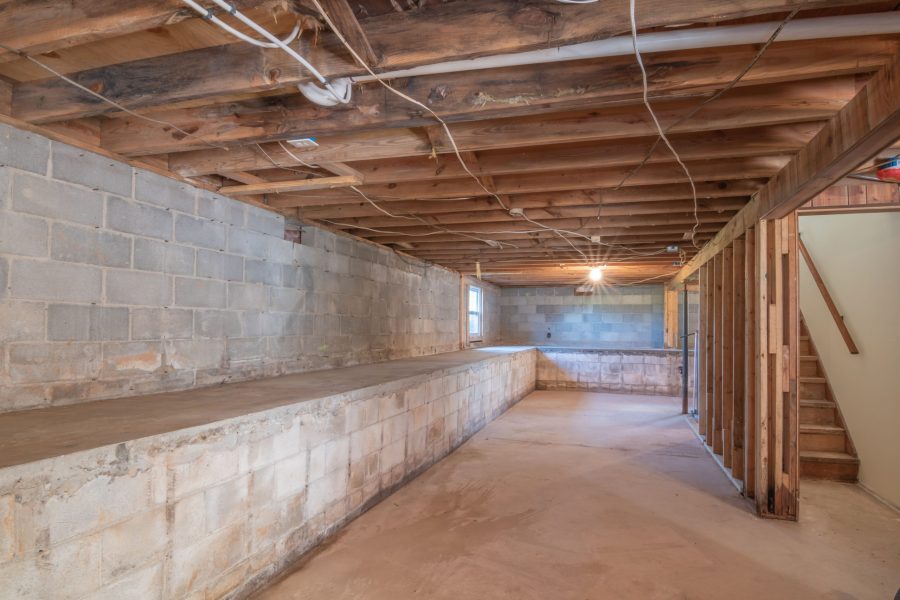
Think of personality as a house. When you visit someone’s home, you notice the things that are right in front of you: the furniture, paint colours, furniture, artwork on the walls, landscaping, and maybe even the state of the garage (which, can tell you more than you realize!). Over the years, those things change. Rooms get renovated. Furniture comes and goes, walls are re-painted, styles evolve; the house gradually reflects the people who live there.
The foundation, though, is a different story. It isn’t nearly as visible, but it supports everything above it. Temperament is a lot like that foundation. It influences the structure underneath the surface; the things that tend to feel natural and energizing for us. As we gain experience, develop new skills, and experiences life’s inevitable twists and turns, our personality continues to grow, but those underlying preferences tend to remain pretty much the same.
You can renovate a house without rebuilding the foundation and the same is true for people. Someone who used to be painfully shy, can now speak in front of hundreds of people at conferences, but they still hold the same values and preferences as they always did. This is personality developing over time. Confidence can grow, skills can be learned and comfort zones can expand. Life experiences can change how we interact with the world; It doesn’t necessarily mean their temperament has changed. They might still recharge best in quiet environments, prefer time to think before responding, and enjoy deeper conversations over small talk with a room full of strangers. The house has been beautifully renovated, but it’s still standing on the same foundation.
Personality Dimensions is built on temperament theory. It doesn’t describe every aspect of who you are, but it helps us understand some of the underlying preferences and motivations that influence how we naturally engage with the world. Of course, there are always exceptions. People are not houses; even the strongest foundation doesn’t tell you whether someone will add a second floor, knock down a wall, renovate the kitchen, or decide that the original 1970s wallpaper is actually making a comeback. The rest of your personality, your experiences, interests, skills, relationships, and everything else that makes you uniquely you, much like the rest of your house is built over a lifetime.
An Organized Gold person can become comfortable with uncertainty, an Inquiring Green person can become more comfortable making decisions without having every piece of information, an Authentic Blue person can become more direct, and a Resourceful Oranges person can become very structured. These aren’t contradictions; they’re examples of people developing and expanding their personalities.
So why do I keep saying “personality” when the foundation of Personality Dimensions® is temperament? Because it’s the language people understand. Personality is the word that starts the conversation. It’s the path that invites people to explore who they are, how they work with others, and what makes them unique. Temperament is one of the things that helps us understand what we discover once we start walking down that path.
Life remodels the house, experiences add new rooms, challenges change the layout and relationships fill the space, but understanding the foundation gives us a better appreciation for the whole structure.
That’s why I keep writing about personality, even when I’m really talking about temperament.
Retrieved from https://personalitydimensions.com/why-i-keep-saying-personality/?utm_source=linkedin&utm_medium=jetpack_social
Certified Personality Dimensions Facilitator Tammy Adams, loves to problem solve, inspire and motivate others who are ready and committed to change. Tammy has spent over 30 years in the field of education and as a Certified Life/Executive Coach Tammy teaches individuals to challenge and conquer their limiting beliefs and insecurities to create the life of their choosing. As a Grief Recovery Method Specialist Tammy understands that unresolved grief can limit an individual’s capacity for happiness and is gifted at supporting individuals through the pain and isolation cause by an emotional loss, of any kind, to a place of happiness they believed no longer existed. A Tammy client testimonial, “Tammy helped me unpack the baggage and put a smile on my face in the process. It’s a rare quality for someone to fully listen without judgement yet still steer you in the right direction.”
To learn more about Intuitive Understanding please visit www.tadams.ca or contact Tammy by email at tdadams@rogers.com